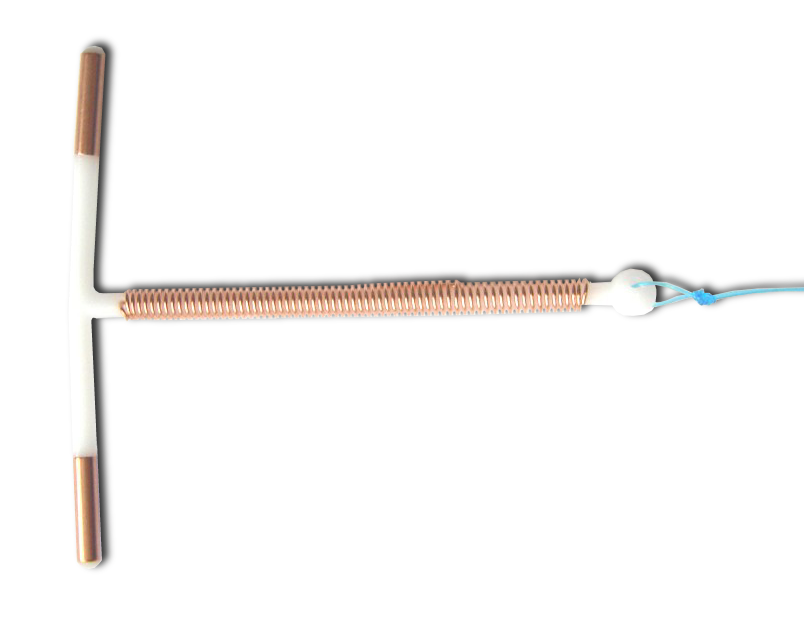
Met Kerst kreeg ik buikpijn. Tijdens het kerstdiner zocht ik op thuisarts.nl naar de symptomen van blindedarmontsteking. Maar de pijn was anders, het leken wel weeën. Was dit een extreme vorm van menstruatiepijn? Op maandag belde ik mijn huisarts om te vragen of die buikpijn iets te maken kon hebben met mijn nieuwe spiraaltje dat begin december geplaatst was.
Hij wilde me onmiddellijk zien en even later bleken de touwtjes van mijn spiraal verdwenen. Voorzichtig vertelde mijn huisarts me dat er een kans van 1 op 1000 was dat de spiraal bij het plaatsen mijn baarmoederwand had geperforeerd. En dat hij daarna in mijn buikholte kon zijn beland. Ondanks corona en kerstvakantie kon ik gelijk door naar het ziekenhuis voor een echo.
Terwijl ik naar het ziekenhuis fietste, dacht ik na over die 1 op 1000. Best een grote kans eigenlijk.
En dat was de kans dat het überhaupt misging bij plaatsing, maar gegeven dat ik nu pijn had was die kans waarschijnlijk een stuk groter. Om mezelf af te leiden, besloot ik die kans uit te rekenen met de stelling van Bayes.
Daarvoor moest ik nog twee kansen schatten. Als eerste de kans dat ik buikpijn zou krijgen als de spiraal mijn baarmoeder geperforeerd had. Die leek me nogal groot, al schenen er ook vrouwen te zijn die dit niet eens merkten: ik zette hem op 90 procent. Ook moest ik schatten wat de kans op deze buikpijn was als mijn spiraal níét door mijn baarmoeder was gegaan. Ik besloot die op één op duizend te zetten, omdat de pijn zo raar en heftig was. De stelling van Bayes leverde op dat met mijn buikpijn de kans op een geperforeerde baarmoeder zo’n 47 procent was.
De gynaecoloog bleek een stuk optimistischer. Waarschijnlijk zat mijn spiraal gewoon wat dieper in mijn baarmoeder, dat kwam vaak voor. Maar bij de echo kon hij hem niet vinden. Hij bleef optimistisch: misschien was ik mijn spiraal ongemerkt verloren, dat kon blijkbaar ook nog. Een röntgenfoto zou zekerheid geven.
Terwijl ik door een verlaten ziekenhuis liep, overwoog ik mijn berekening bij te werken met de nieuwe informatie. Maar voordat ik dat kon doen, was de foto al genomen en verder rekenwerk overbodig. Mijn spiraal was duidelijk zichtbaar – en hij zat niet in mijn baarmoeder. Er werd een operatie gepland om hem eruit te vissen. De tussentijd kwam ik door met stapels paracetamol, Agatha Christie en bange berekeningen voor de kans dat de operatie vanwege corona zou worden uitgesteld.
Inmiddels is de spiraal succesvol verwijderd. Hij bleek in de holte van Douglas te zijn beland, een ruimte tussen je baarmoeder en endeldarm. Ik had er nog nooit van gehoord (zo leer je nog eens wat), maar het bleek de plek waar ruim de helft van de verdwenen spiraaltjes opduikt. Bij de operatie is ook gelijk een nieuw spiraaltje geplaatst en gekeken of die goed zat. Er is me verzekerd dat de kans echt héél klein is dat die alsnog door mijn baarmoederwand heen gaat.
Deze column verscheen op 15 januari 2021 in de Volkskrant.